the challenges for manufacturers and equipment suppliers in the automotive sector.
Faced with interdependent challenges, a major transformation of the automotive industry is essential. Only manufacturers and equipment suppliers capable of adapting to these issues will be able to thrive in the future of mobility
-
transition to electrification
The transition to electrification requires massive investments in Research and Development, the establishment of new production lines, and the development of a charging infrastructure as well as specific components for electric vehicles, such as batteries, electric motors, and thermal management systems.
-
digitalization and connectivity
Digitalization and connectivity require in-depth mastery of digital technologies, data management, cybersecurity, and software development for connected vehicles, Advanced Driver-Assistance Systems (ADAS), and mobility services.
-
competition and new entrants
The arrival of new competitors and technology companies drives innovation and adaptation to maintain competitiveness.
-
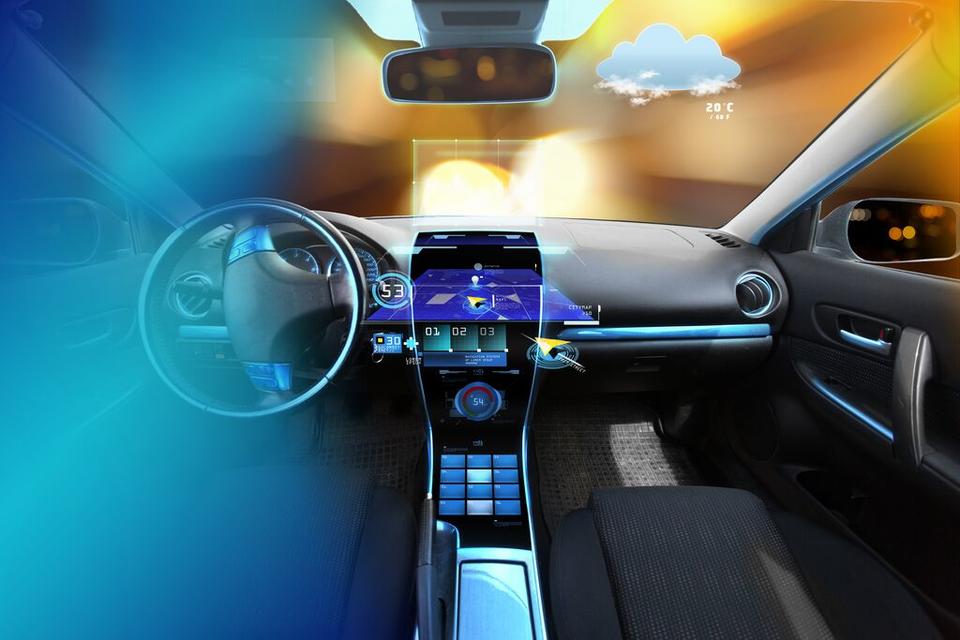
development of software-defined vehicles
The development of software-defined vehicles involves the design of connected and intelligent vehicles, including infotainment, Over-The-Air (OTA) updates, and Advanced Driver-Assistance Systems (ADAS).
learn more
scope of intervention.
-
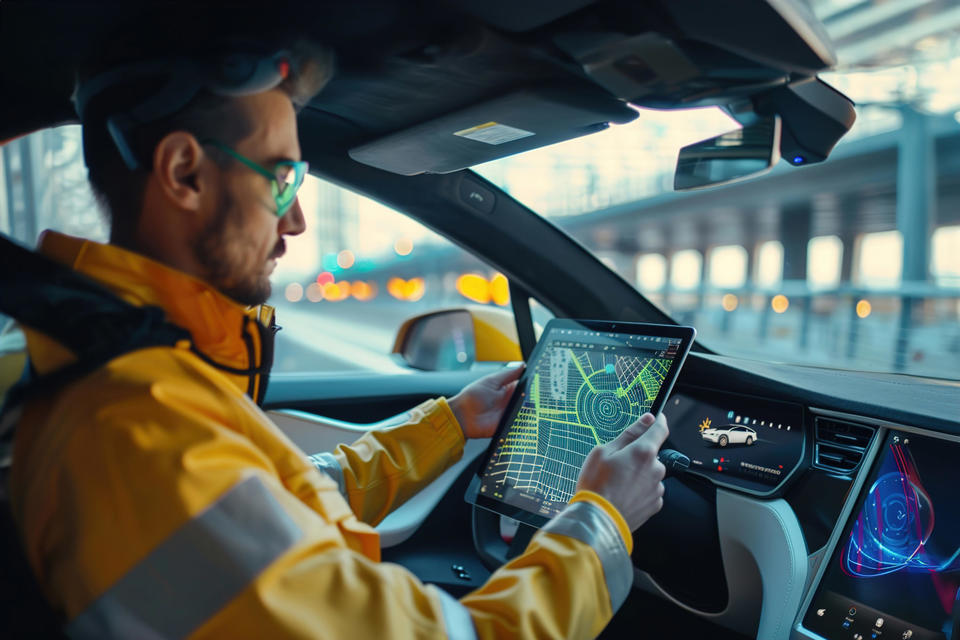 software-defined vehicles
- Infotainment
- Connected Car
- Over-The-Air (OTA) Updates
- ADAS (Advanced Driver-Assistance Systems)
-
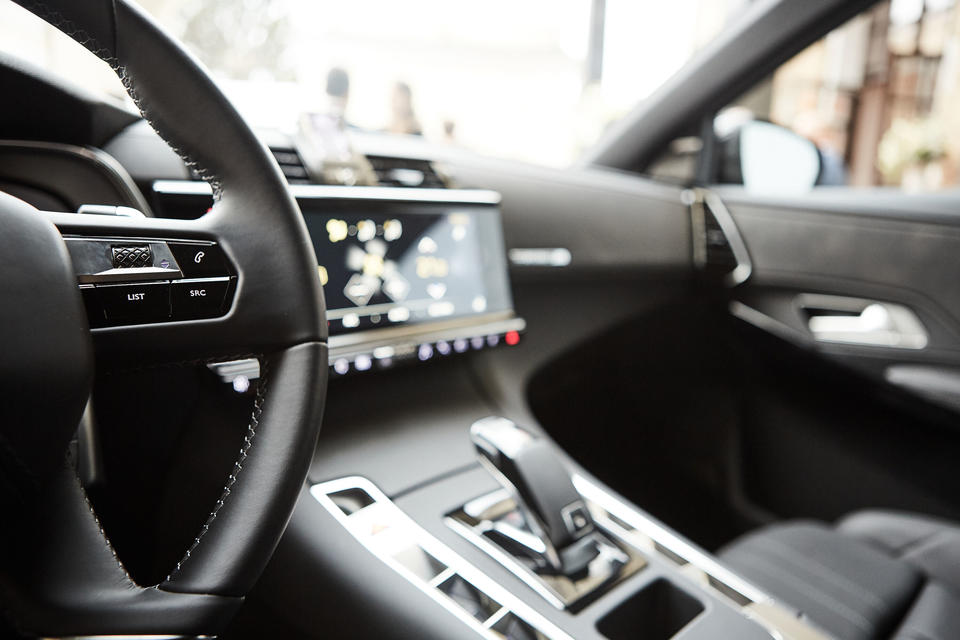 customer experience
- Omnichannel Experience
- 360° Customer Services
- Marketing Offers
-
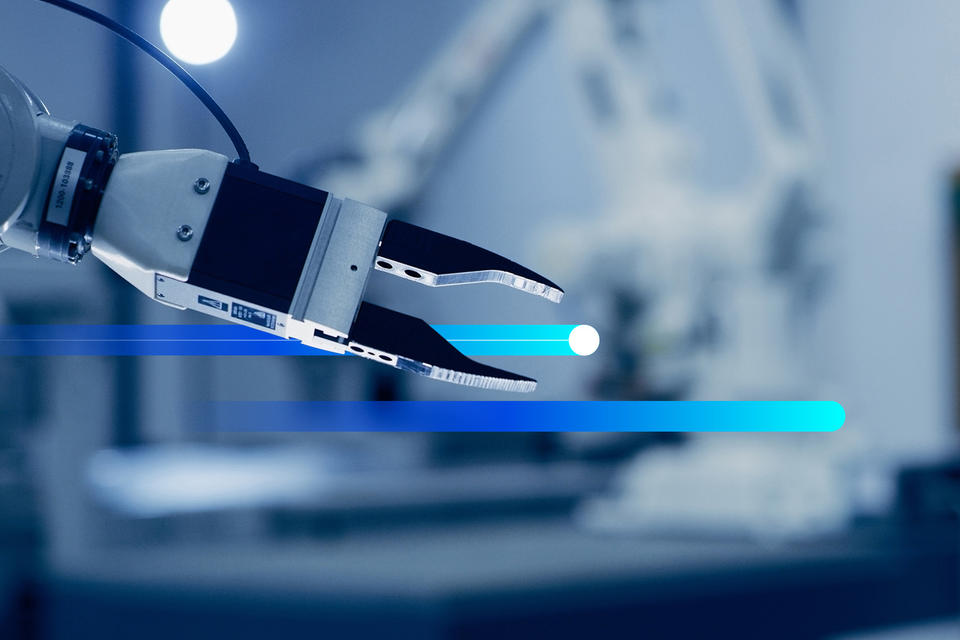 factory 4.0
- Advanced Analytics and Artificial Intelligence
- Data-Driven Production
- Digital Twin
our footprint in the automotive sector
From a software base to a secure cloud system.

client success stories.
Randstad Digital collaborates with automotive industry leaders to shape the future of mobility.
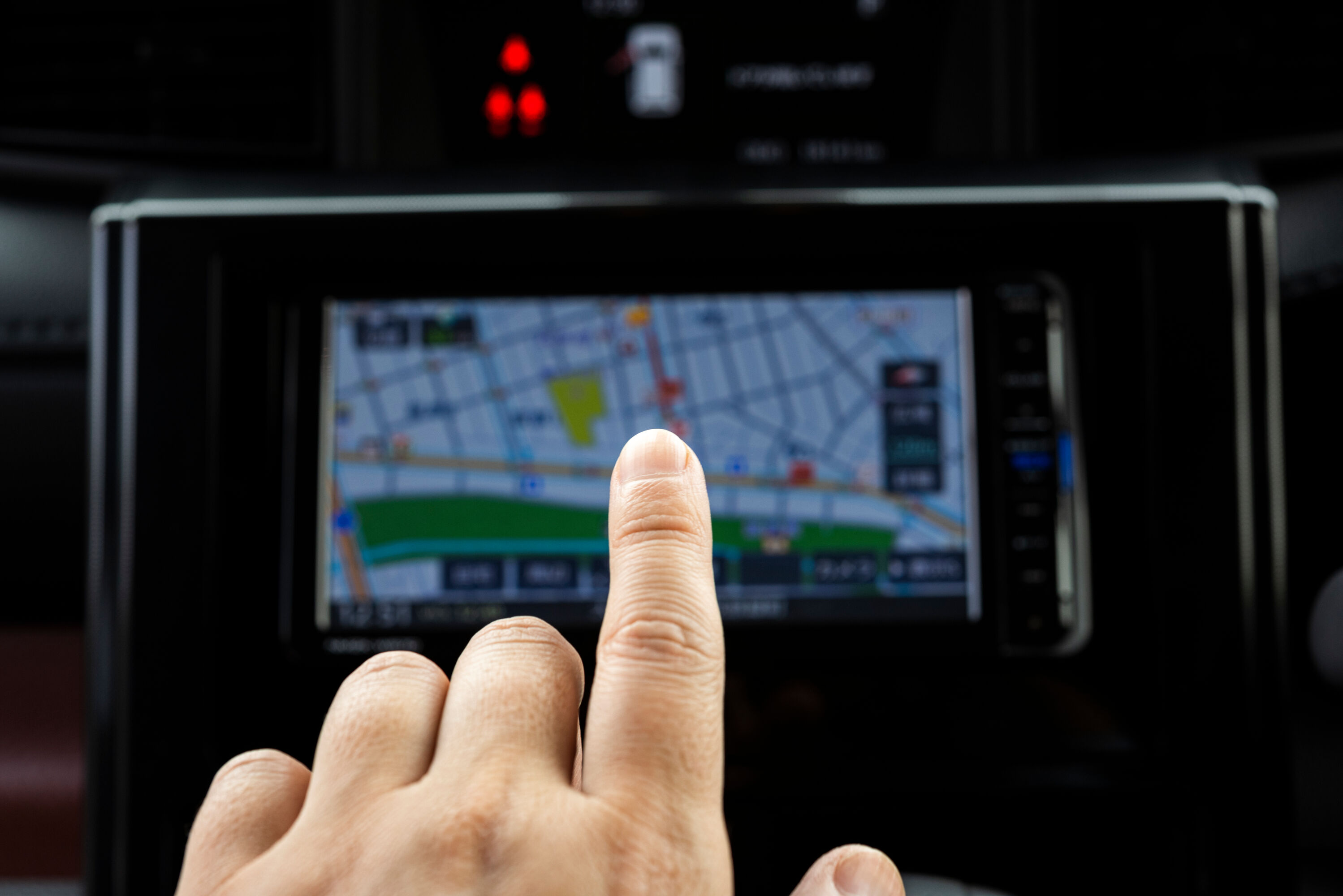


software-defined vehicles.
Enabling OEMs to accelerate SDV innovation with deep automotive expertise and talent solutions.